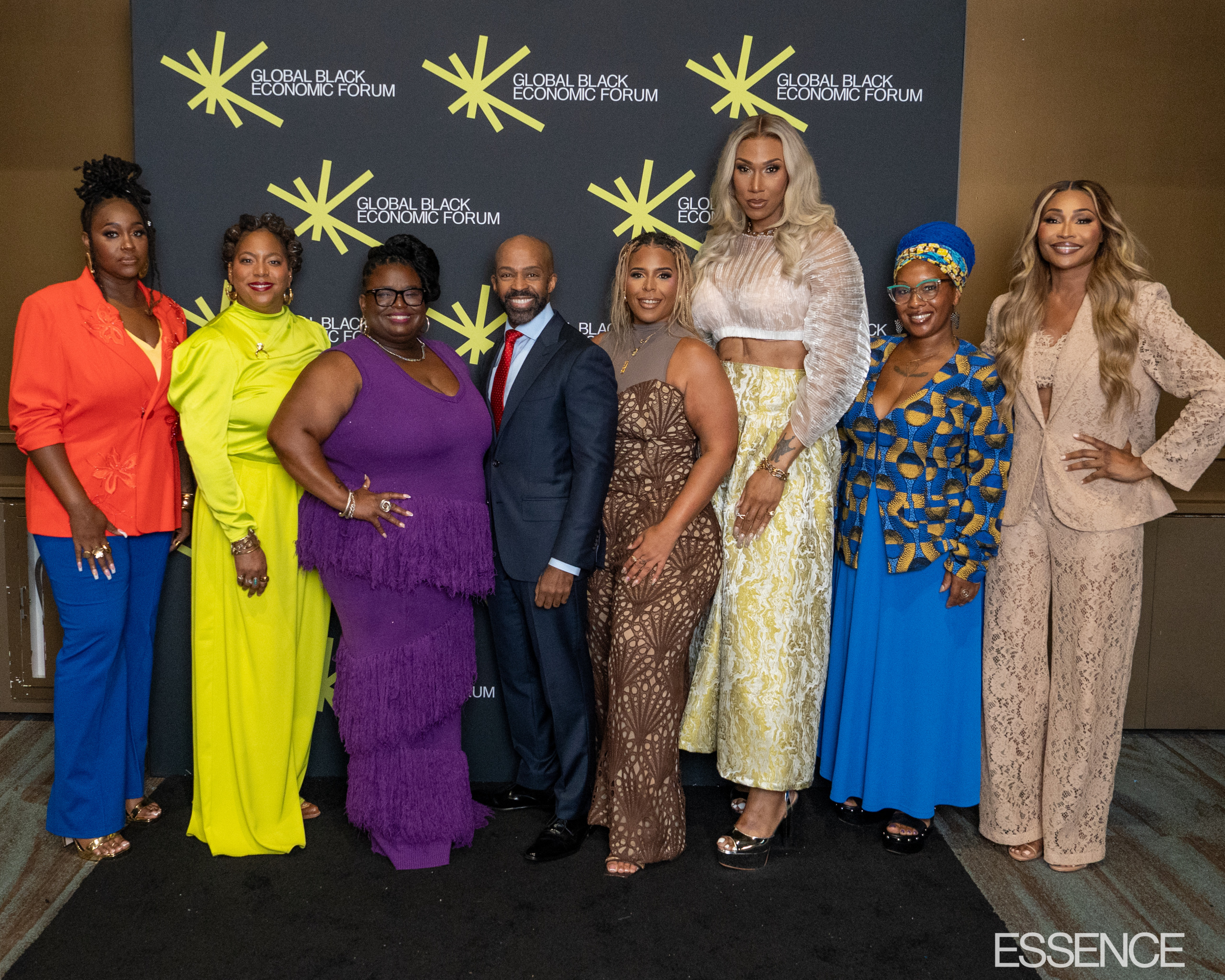
When reproductive justice makes headlines, the dialog is often restricted to laws or courtroom choices. Through the ESSENCE 2026 Cultural Pageant, SisterSong pushed again in opposition to this framing. Reproductive justice, the group reminded the viewers, is in regards to the freedom to reside totally: elevating a household safely, accessing high quality care, constructing thriving communities, and figuring out one’s personal future.
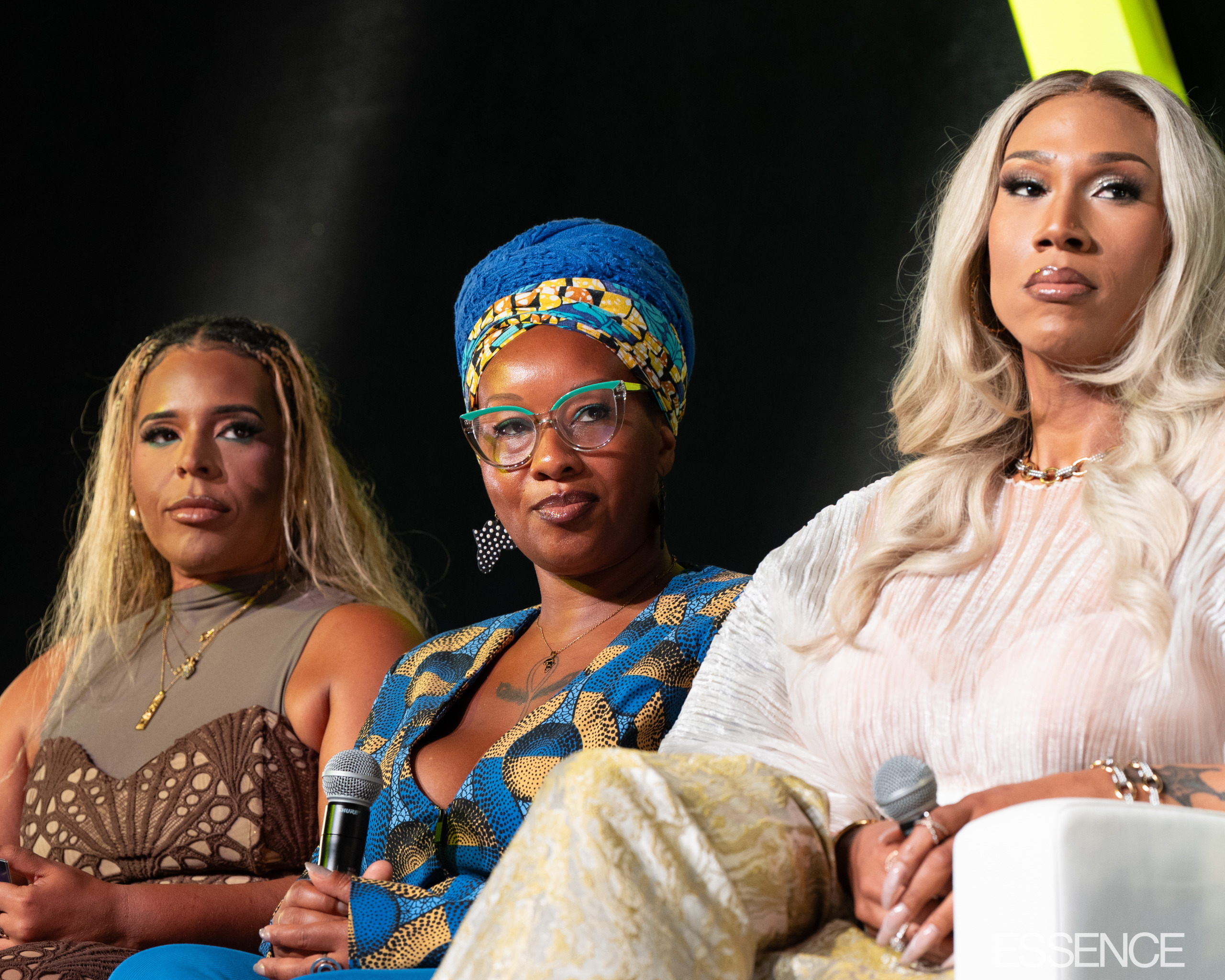
Moderated by SisterSong Government Director Monica Simpson, the “Belief Black Ladies” panel featured actress Cynthia Bailey, actress Monroe Alise, Southern Beginning Justice Community Government Director Jamara Amani, SPILL Chief Progress Officer Kenya Parham, New Orleans Black Satisfaction Founder Nikki Alexander-Tumblin and Feminist Middle for Reproductive Liberation Government Director Kwajelyn Jackson. Collectively, they traced a broad arc: bodily autonomy, maternal well being, tradition, id and collective liberation.
A definition that continues to broaden
For Kwajelyn Jackson, reproductive justice begins with the liberty to exist totally. “It’s the liberty to be your self,” she stated, describing it as the flexibility to know who you might be and shield the sovereignty of your physique and your life.
Kenya Parham expanded the framework additional by arguing that reproductive justice consists of the proper to have youngsters, the proper to not have youngsters, and the proper to lift a household in environments, each offline and on-line, the place they will really thrive. As expertise reshapes how communities join, it has highlighted the necessity to create digital areas grounded in security slightly than hurt.
Jamara Amani has linked her work to human rights, historical past and future generations. “All of us have the proper to be born in security and dignity,” she stated, emphasizing that reproductive justice consists of well being care, housing, financial alternative and group well-being.
This dedication is instantly mirrored in Amani’s work as a Black midwife. She spoke about opening a brand new beginning heart rooted in group care and her continued efforts to broaden entry to midwives in Georgia by authorized advocacy. Its commonplace is easy: Each household deserves compassionate care the place individuals really feel welcomed, revered and secure.
The place politics and on a regular basis life meet
Kwajelyn Jackson linked this commonplace to advocacy work, explaining that organizations just like the Feminist Middle for Reproductive Liberation not solely combat for abortion entry but additionally for housing, little one care, well being care, and financial stability, as a result of individuals do not reside lives centered on a single subject. In response to her, assembly all the wants of people is what makes freedom actual slightly than theoretical.
Nikki Alexander-Tumblin introduced this precept again to New Orleans, describing her work creating areas the place Black LGBTQIA+ communities, particularly femme-presenting individuals, can really feel represented, affirmed, and secure. Creating these areas, she famous, is itself an act of reproductive justice: everybody deserves to see themselves mirrored and supported.
Tradition as a supply system
The panel additionally examined how tradition advances this work. Kenya Parham referred to as storytelling one in all humanity’s oldest organizing instruments and pushed attendees to assume critically about the place Black tales occur on-line, calling for assist for platforms constructed with Black communities in thoughts slightly than those who extract from them.
Monroe Alise spoke particularly about visibility points for Black transgender ladies, explaining that genuine illustration permits audiences to maneuver past stereotypes and see individuals as neighbors, associates, sisters, and totally realized human beings. Visibility, she stated, builds empathy and modifications tradition from the bottom up.
Cynthia Bailey closed the panel’s private reflections with many years of perspective on modeling, tv, entrepreneurship and public life. “I don’t owe anybody the identical model of me,” she stated, encouraging ladies to embrace development, reinvention and discovering peace with out excuses.
What comes subsequent
When requested what it might take to make sure the subsequent technology of collective liberation, panelists provided a spread of solutions: constructing tables as a substitute of simply sitting round, investing actual sources in Black ladies, honoring the sacredness inside us, centering Black LGBTQIA+ communities, and persevering with to work to remodel programs which have lengthy failed Black households.
General, the dialog bolstered a message that SisterSong has been pushing for many years. Belief black ladies is just not a slogan. It’s a name to motion as a result of when Black ladies are given the belief, assist, and sources, total communities transfer nearer to justice.