
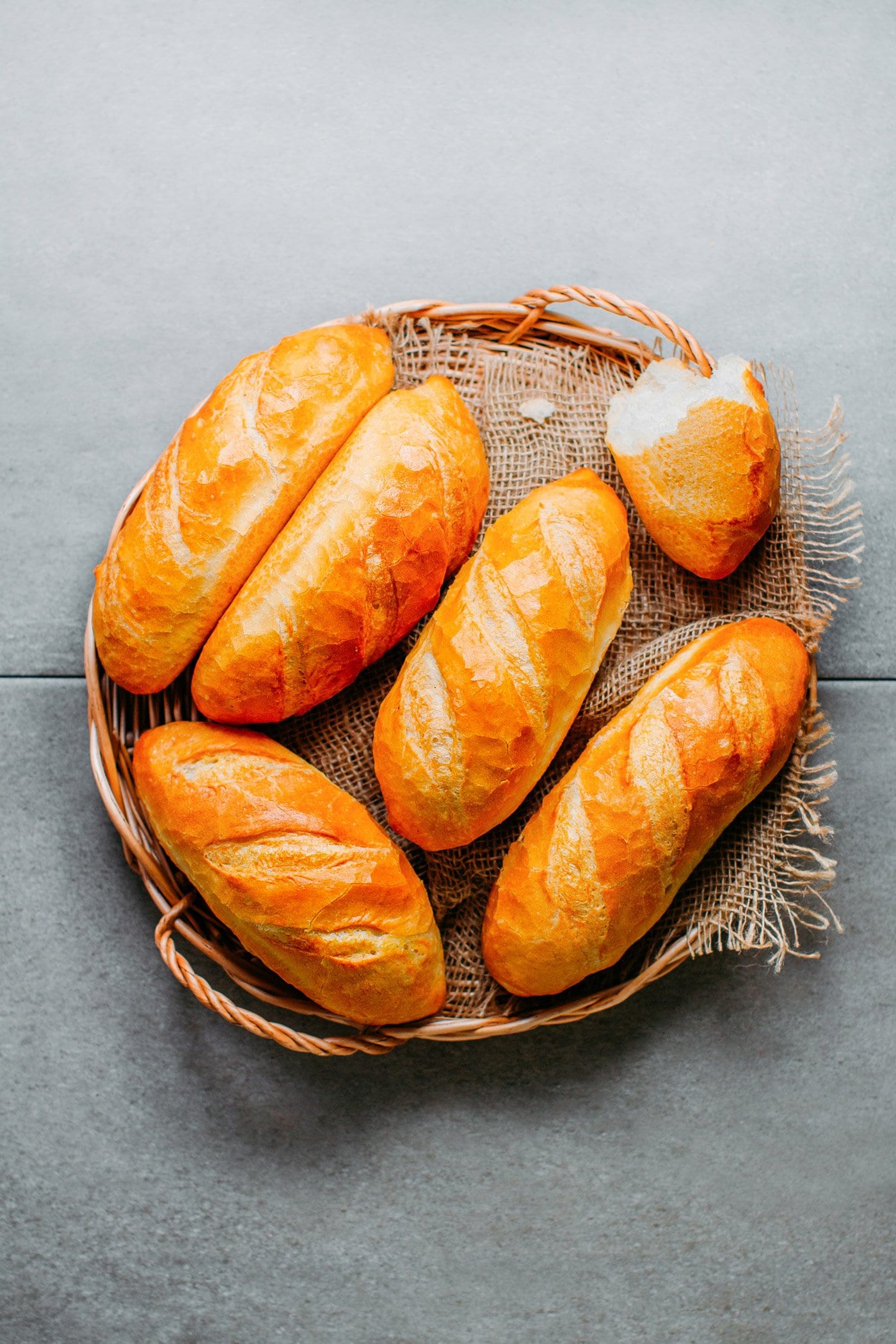
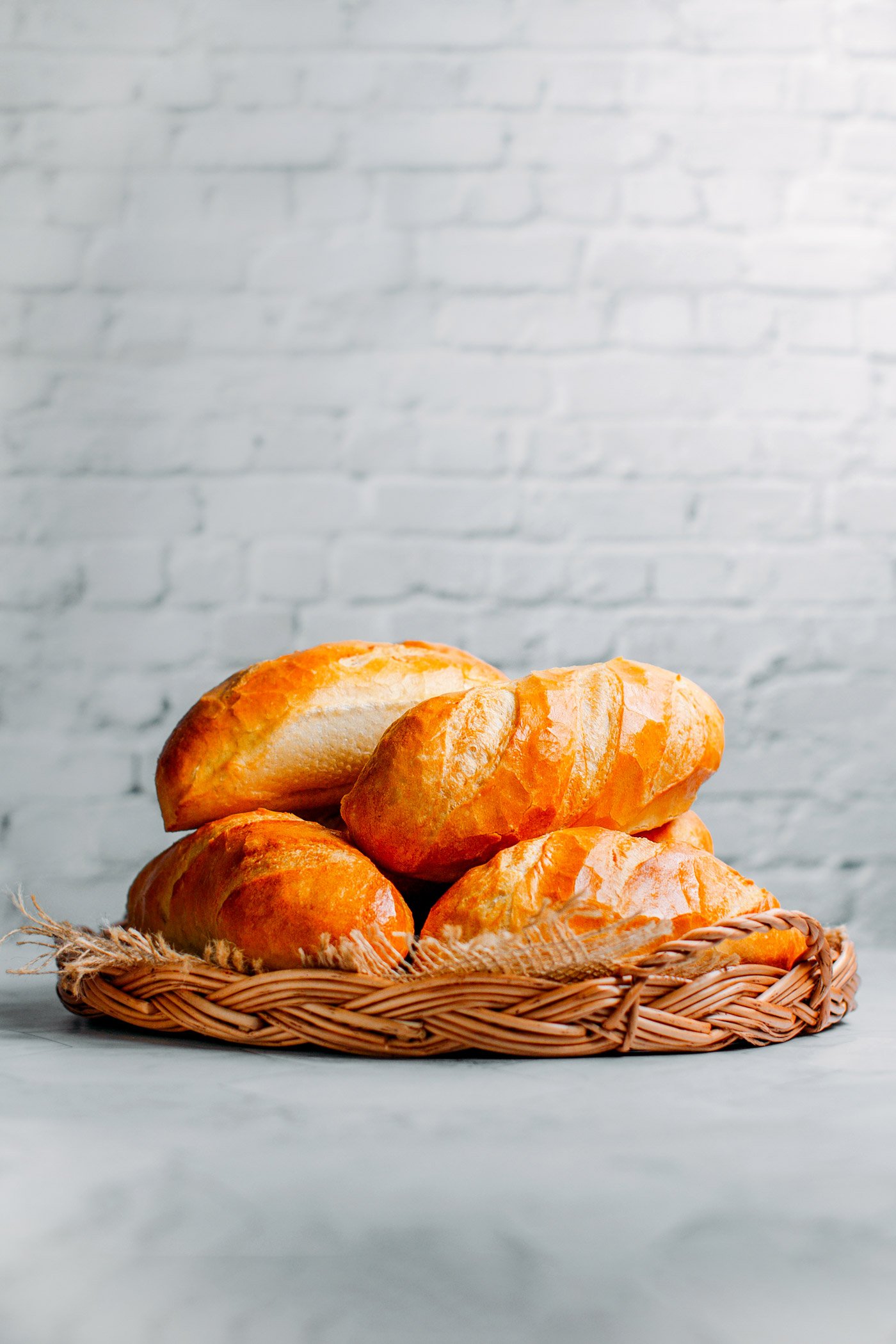
My quest to make authentic Bánh Mì is finally over! After so many trials I lost count, I’m super excited to finally share the recipe to make these super light Vietnamese baguettes! Let’s bake!
While most so-called Vietnamese baguette recipes that can be found online yield nice results, they all lack the lightness of real bánh mì. After a lot of research, an insane amount of trials, and invaluable help from my Vietnamese wife, I finally nailed it! If you are looking for an authentic bánh mì that is as light as a feather, this recipe surely won’t disappoint. It tastes just like the ones I tried and loved in Vietnam. In fact, my recipe is based on real recipes we gathered from local bakeries in Saigon, Vietnam. Talk about authenticity!
If you have tried authentic Bánh Mì before, you know how light and airy the crumb is. This recipe replicates precisely that!
📙 Why This Recipe Works
What is the secret to getting this extremely light texture and thin crust? Well, there is not a single answer to that. It’s all about food science and the combination of multiple things:
- A high-hydration dough. This dough contains more moisture than most bread dough. In fact, it’s so sticky that you will need to work with oiled hands when handling the dough.
- A high-protein flour. Using wheat flour with a high protein content is critical. I tested this recipe with all-purpose flour (8% protein), and the results were meh. The crumb was just too dense. I will explain more about which flour to pick in the Ingredient Notes section.
- The addition of bread improver. It’s impossible to achieve the airy crumb without using any bread improver. It helps increase the volume, prevents the dough from overproofing, and enhances the shape of your baguettes.
- A high-speed kneading. For this recipe, you will need a stand mixer. We will run it at full speed to develop the gluten.
- A long rising time. You want to let your baguettes rise for at least two hours in a warm and humid environment (note that the rising time can be shorter if the temperature is very warm). Thanks to the addition of the bread improver and the vitamin C, the baguettes will quadruple in size.
- A lot of steam in the oven. This will allow the crust to develop cracks and stay thin and super crispy.
📘 What is Bánh Mì
Bánh Mì is a Vietnamese bread that appeared during the French colonization, around 1880. French colonists brought bread, as well as paté, coffee, crème caramel, yogurt, and more, influencing Vietnamese cuisine. Vietnamese tweaked the bread by filling it with paté, carrot and radish pickles, fresh herbs, and all sorts of meat. It is now considered one of the best sandwiches in the world.
Bánh Mì, which translates to “wheat cake,” is the name of the bread itself, but also the filled sandwich.
So, what’s so special about bánh mì? The uniqueness of this bread is that it is extremely light. The inside is so airy that it almost looks like candy floss, and the crust is super thin and crispy with visible cracks on it. Another difference is that, as opposed to other bread, this one tends to become soft and chewy the next day. It doesn’t really dry out.
To me, preparing a Bánh Mì sandwich starts with the perfect bread. French baguettes just don’t compare. Traditional French baguettes have a much thicker crust and more crumb, so the weight-to-volume ratio is much higher. Bánh Mì is lighter (less crumb), making it easier to digest, and perfect to add a ton of fillings!
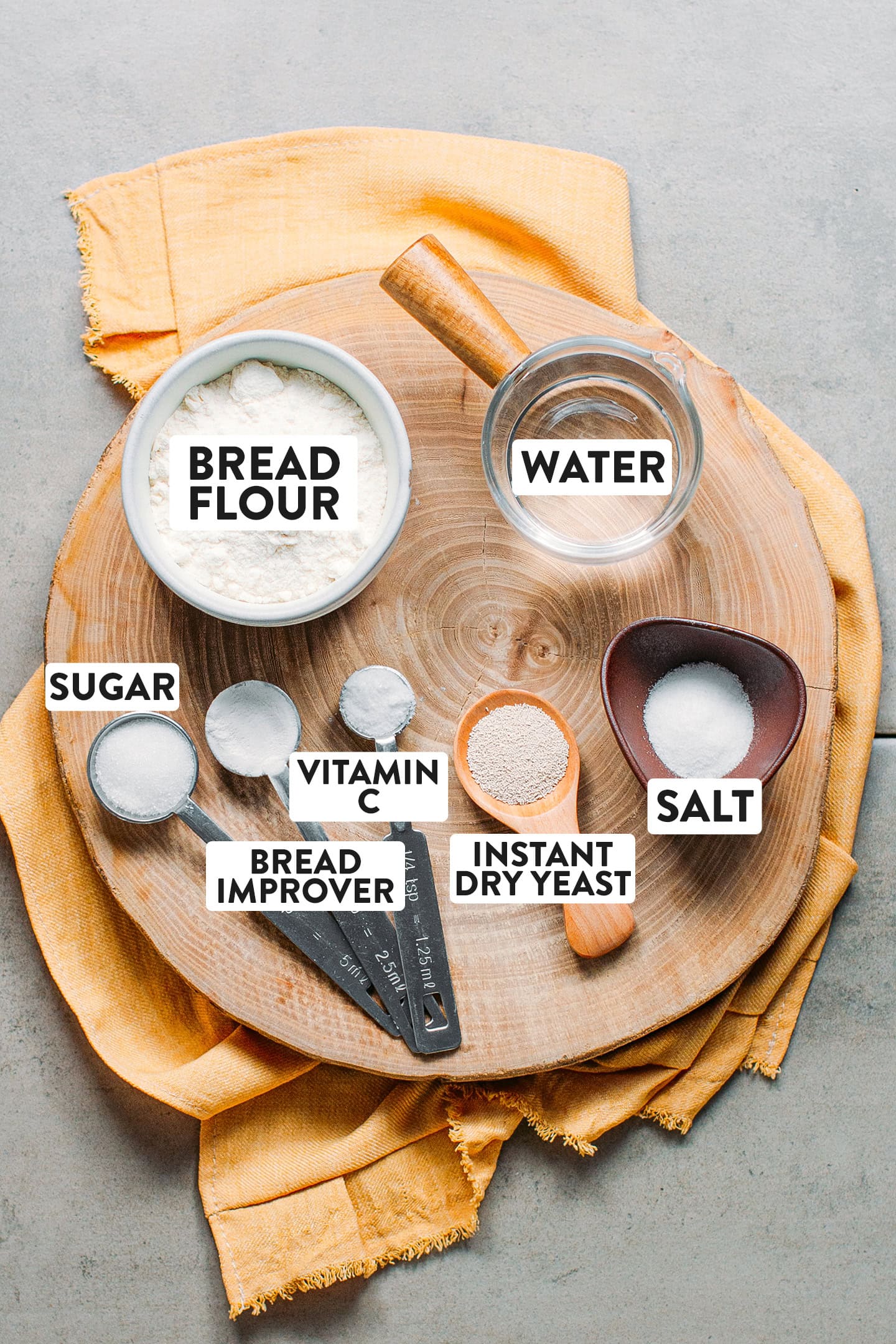
🌾 Ingredient Notes
Here are the ingredients you will need to make Vietnamese baguettes at home. If you want the best results, do not omit or substitute any ingredient.
High-protein flour
Aim for wheat flour with 11-12% protein. If you only have all-purpose flour (8% protein) on hand, don’t try this recipe, as you will be disappointed by the results. The high amount of gluten allows the dough to get a light and elastic consistency and a better rise. You can find high-protein flour here.
Yeast
To help the baguettes rise. I use instant yeast which is easier to find and can be stored in the pantry. If you only have active dry yeast on hand, allow it to rehydrate in the water before mixing it with the flour.
Fresh yeast will also work! If using fresh yeast, you will need to use about 3g and dissolve it in 3 tablespoons of lukewarm water. Remember to remove the same amount of water from the recipe to get the same ratio of flour to water.
Bread improver
An essential ingredient, the addition of bread improver allows the dough to rise for a longer period, giving it a fluffier texture. I found mine online, but you may try asking a bakery if they can sell you some (they usually have it).
Which type of bread improver should I use?
Most bread improvers will work here. However, each brand will yield slightly different results, and I cannot predict how each will work. For your information, the bread improver I used here, the one used by bakers in Vietnam, is called S500 Bánh Mì Plus, by the brand Puratos. It contains starch (75%), dextrose, emulsifier (E472e), anti-oxidants (E300), enzymes: amylases: E1100.
Vitamin C
It acts as a boost for the yeast. I used vitamin C powder, but you can use crushed vitamin C tablets.
Salt and sugar
Salt is there for flavor while sugar gives the yeast a little boost. Regarding the type of sugar to use, I recommend sticking to regular granulated sugar.
Quick note: Bánh mì dough doesn’t contain any rice flour nowadays. Unfortunately, there is a lot of misinformation about that (Wikipedia included). IT IS NOT the secret to its light texture, nor is the shaping/rolling of the dough.
🥣 How to Make Bánh Mì
Equipment Needed
Before starting, you will need a few essential tools:
- A high-speed stand mixer. This one is a must. I would not recommend kneading by hand for this recipe.
- A perforated baguette pan. If you want round and good-looking baguettes, a baguette pan will definitely help. It also helps the heat distribute better, giving the baguettes a more uniform, golden brown color.
- A bread lame. For scoring the loaves before baking. You don’t need the handle, just a standard razor blade works well.
- A spray bottle. To spray the baguettes before baking.
- And a good oven!
1. Prepare the dough
- Combine all of the ingredients. First, add all the ingredients to the bowl of a stand mixer: bread flour, salt, sugar, bread improver, vitamin C, dry yeast, and water.
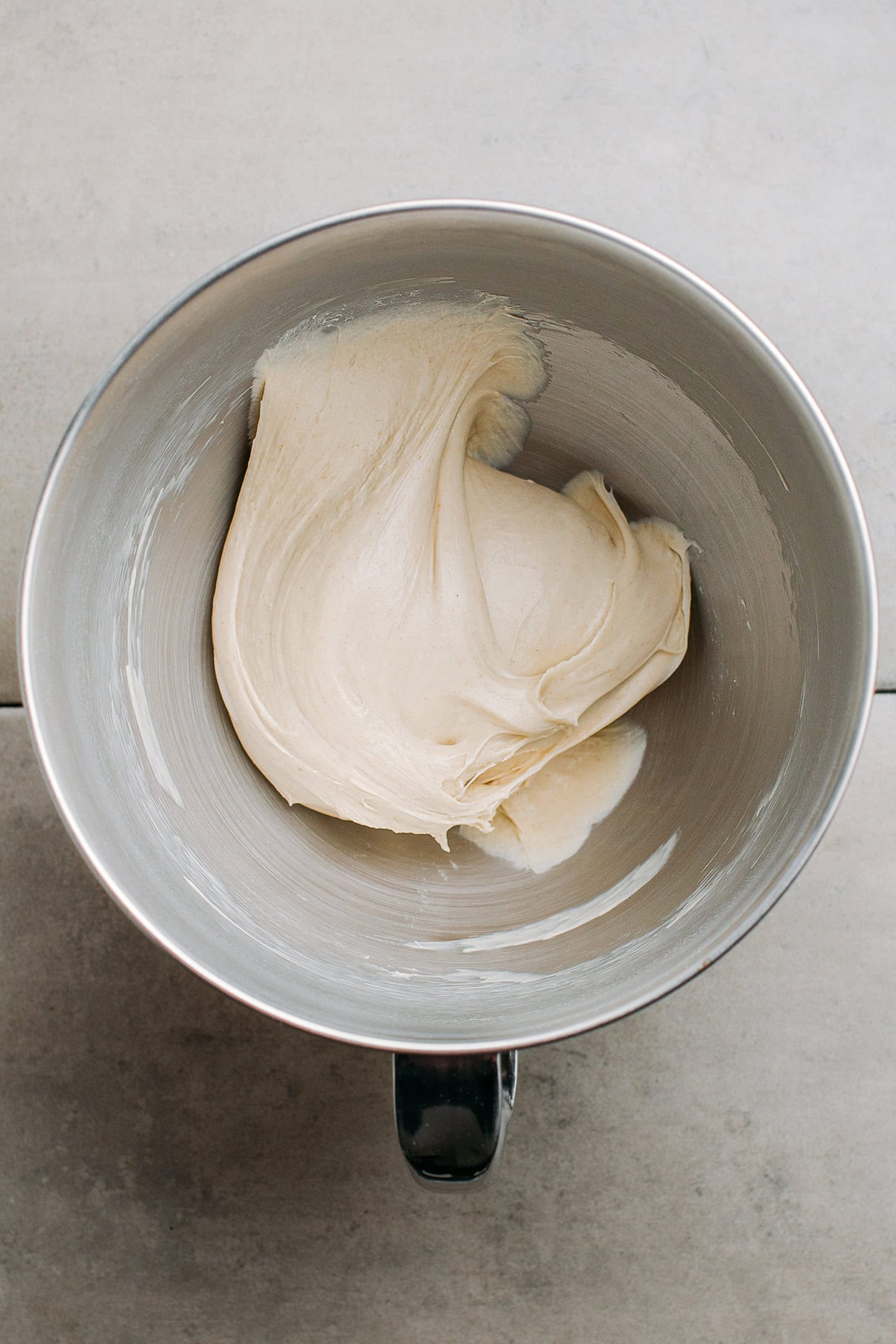
- Knead. Then, knead at speed 9 of your stand mixer for 7-8 minutes. The dough should be silky smooth and slightly sticky.
- Let it rest. Transfer the dough to a greased surface and let it rest covered with plastic wrap for about 20 minutes.
- Divide into balls. Then, divide it into either four pieces of about 100g or five pieces of 80g for smaller bánh mì.
Bánh Mì Size
There is a lot of confusion regarding the size of bánh mì. Some people believe that it has a standard size. This is not true. If you have ever been to Vietnam, you probably noticed that depending on the bakery, the size of bánh mì can be considerably different, going from 6 inches (15cm) to 25 inches (65cm), which is the standard size of a French baguette.
I have noticed that the most popular size of the bánh mì used to make sandwiches is 7-8 inches (18-20cm). Hence, I recommend dividing the dough into 4 pieces if you want that length. Otherwise, feel free to make smaller or longer baguettes, that is up to you.
2. Shape it
It’s now time to shape the baguettes!
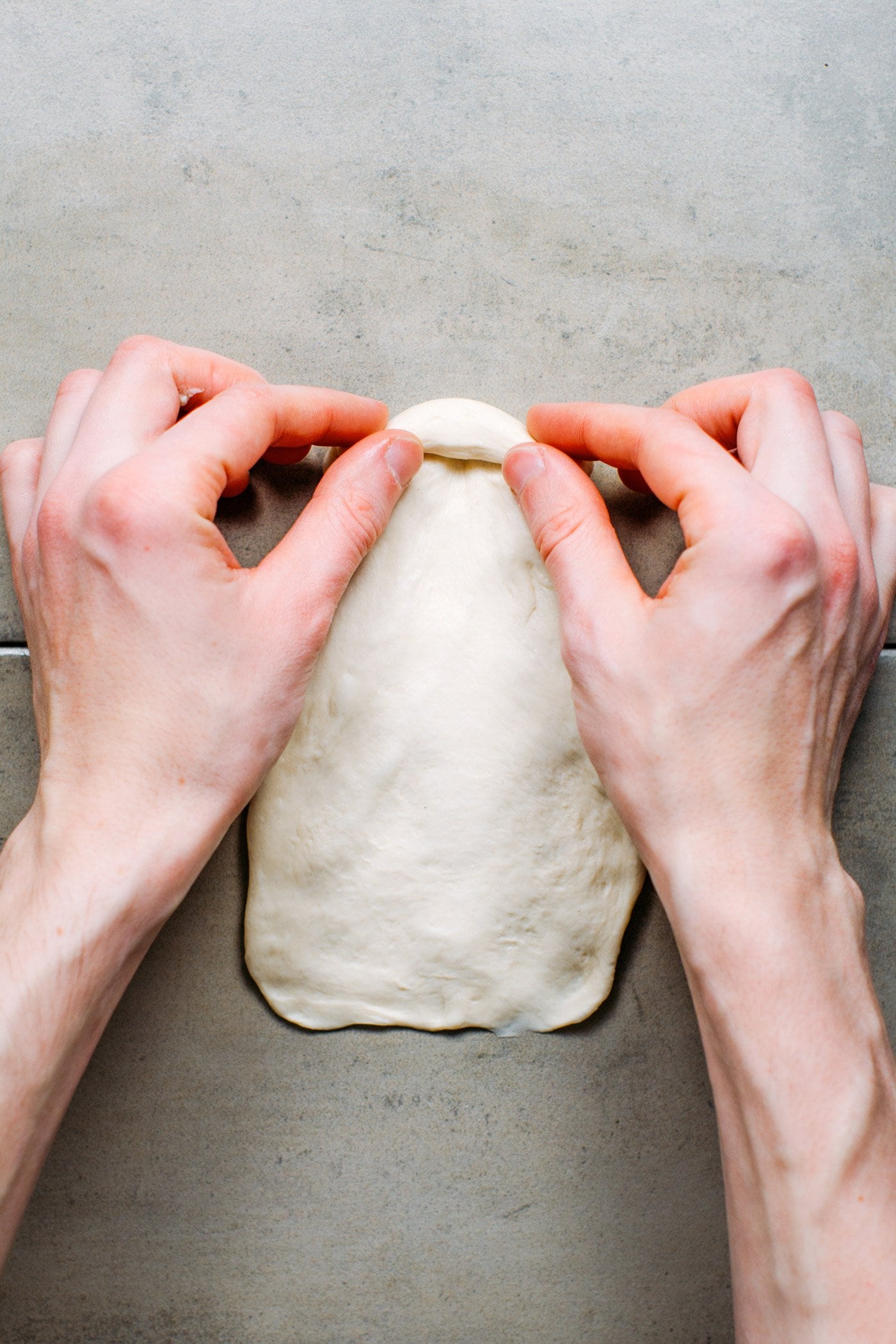
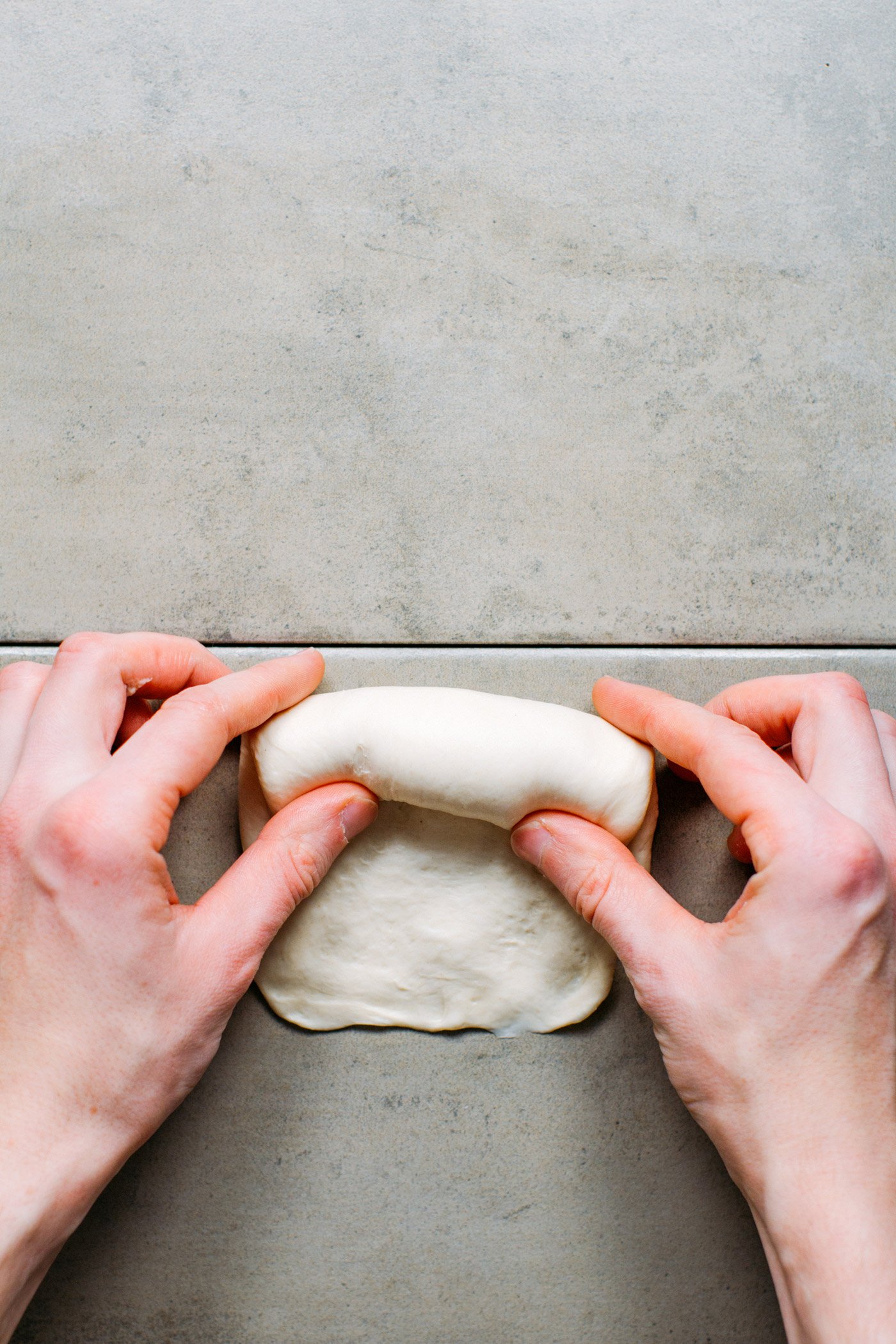
For the shaping, I would recommend checking some videos like this one to get an idea of how to do it. Before shaping your baguettes, ensure that your working surface is lightly oiled. This will prevent the dough from sticking to it. There are different ways to shape your baguettes:
- You can slap the dough into a long trapeze, flatten it, and then roll it into a log.
- Or, flatten the dough into a rectangle using your hands and then simply roll it into a log.
Don’t be too hard on yourself. The shaping will not have a huge impact on the overall texture of your bread. Try to do your best, though. But don’t worry – it’s pretty forgiving once it rises, as you can see below.
3. Proof
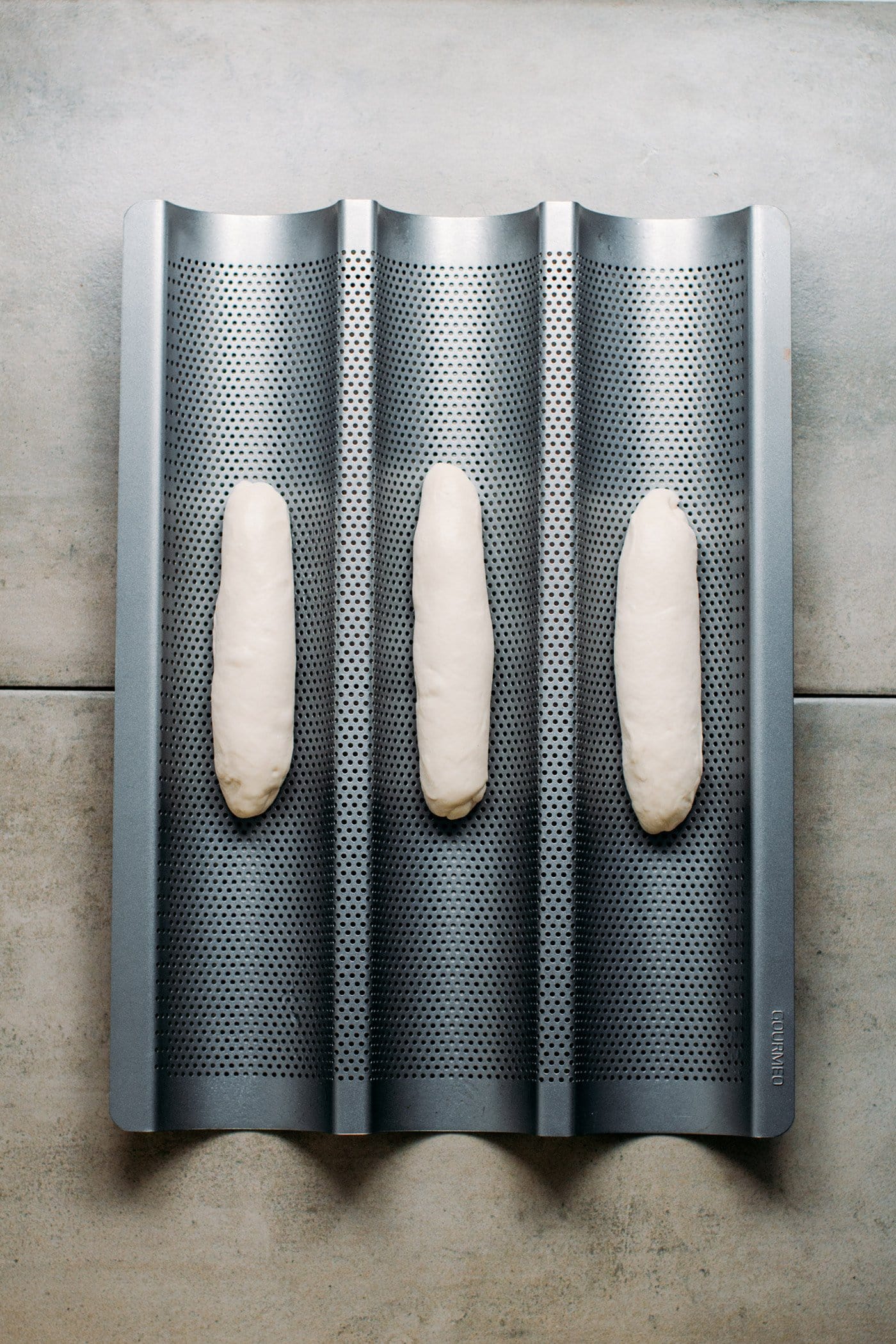
- Transfer to a pan. Next, lightly grease a baguette pan with vegetable oil and place your little loaves of dough on it.
- Proof. To proof the baguettes, I recommend placing your pans in an oven at about 86°F (30°C) with a baking dish or bowl filled with about 3 cups of boiling water to keep enough humidity.
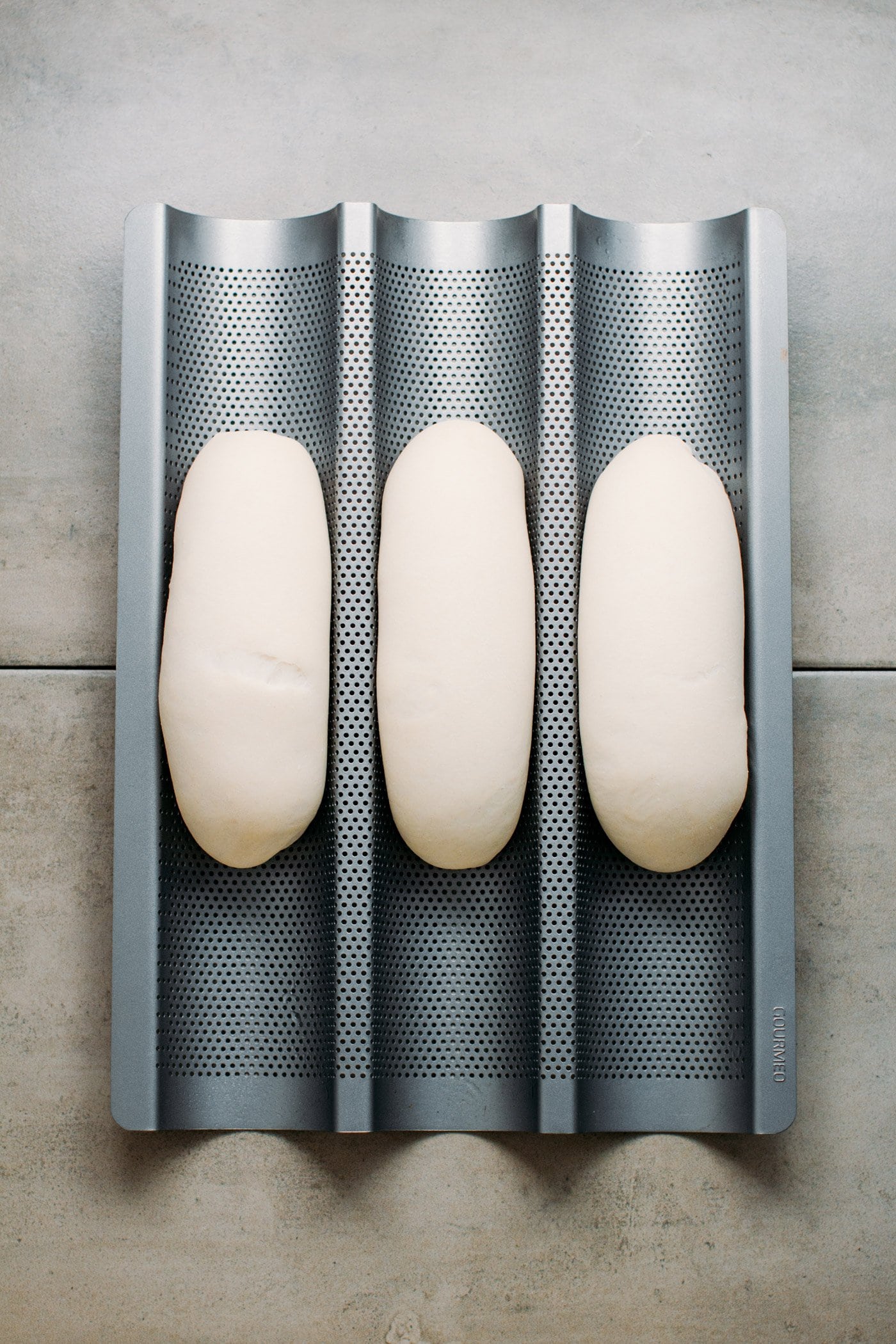
Note: The proofing time will depend a lot on the temperature and will take between 1 and 2 hours. The baguettes are ready to be baked once they have almost quadrupled in size. The dough should bounce back slightly when you press it. If it bounces back quickly, it’s underproofed.
Note: I used to recommend placing a wet cheesecloth on top of the baguettes during the rising process to prevent them from drying. The problem with this technique is that you must spray water on top in order to be able to peel the cheesecloth from the baguettes. This makes the dough more humid and very difficult to score (the blade sticks to the dough).
After further testing, I realized this was not the best way. Now, I am simply placing the baguette pan in the oven with the light on and a bowl of hot water placed inside. This creates enough humidity to prevent the baguettes from drying. The dough is then much easier to score since it is not as wet. This also results in a better appearance and a more hollow inside as the dough can expand better when the scoring is done properly.
You can see above on the left photo, a bánh mì that was sprayed with water BEFORE scoring. Hence, it was very difficult to score it. During baking, the dough didn’t rise well. However, on the right, the dough was proofed without a cheesecloth, scored, and then sprayed with water. The shape is much nicer, and the bánh mì itself is lighter and more airy.
4. Bake
The secret to that thin crust is a lot of moisture in the oven. Here is how to bake the baguettes:
- Preheat your oven to 400°F (200°C) with an iron skillet placed at the bottom. The skillet will retain a lot of heat, so when you open the oven to bake your baguettes, it will come back to a high temperature more quickly. Allow the oven to preheat for at least 25 minutes.
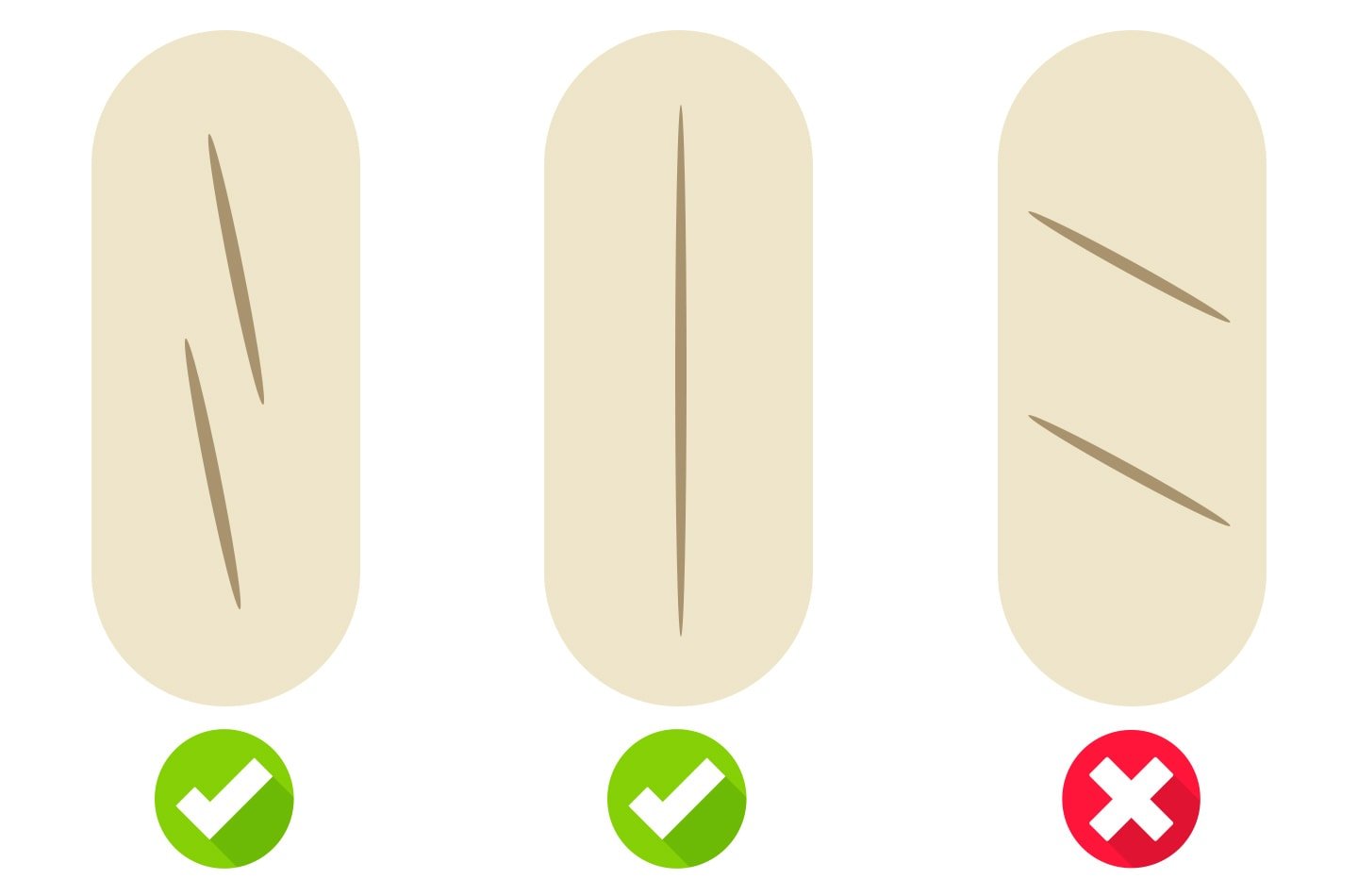
- Score at a 45-degree angle. Using a razor blade, score each baguette with either one cut vertically or 2-3 cuts diagonally. Ensure you are holding your blade at a 45-degree angle when scoring.
- Spray. Once your oven is at the right temperature, spray the baguettes with water. This will help them develop cracks.
Scoring Guide
If you are unsure of how to score your baguettes, I have got you covered! You can refer to the image below where I show you the angle and pattern you should use to score your bánh mì.
Scoring Tips
Through testing, I realized that there are a few tips to follow when scoring the dough, if you don’t want it to stick to your blade. Here is what I learned:
- Be non-hesitant: You must be fast and non-hesitant when scoring the dough. This is key. If you score the dough slowly, you are guaranteed to drag it using your blade. Be decisive!
- Score with one vertical cut: While you can score with two to three diagonal cuts, I find it much easier to score with one long vertical cut, especially if you are a beginner.
- Wet your blade: One more tip is to dip your blade in either water or oil before scoring. It helps the blade slide on the dough.
- Create steam. Pour about 3 cups of boiling water into the iron skillet to create a lot of steam.
- Bake. Right after pouring the hot water into the skillet, add your baguette pans to the oven and turn off the oven fan. By baking without the fan, we keep a ton of moisture inside the oven.
Be careful! DO NOT open the oven door during the first 13-15 minutes; otherwise, your baguettes will slightly collapse. The high heat and steam inside the oven make the bread rise, but if you open the door before the crust has set, it will simply collapse, and you will lose that super airy crumb. We won’t spray the baguettes with water during baking as there is already enough humidity, so there is no need to open the oven.
- Flip. After 13-15 minutes, flip the baguettes so the bottom is on top. Bake for another 4 minutes. This will allow the bottoms of your bánh mì to brown evenly.
- Remove from the oven. Remove your golden brown bánh mì from the oven and let them cool. Within 5 minutes, you should hear the sound of a crackling fire and see cracks appear on the crust! Magical!
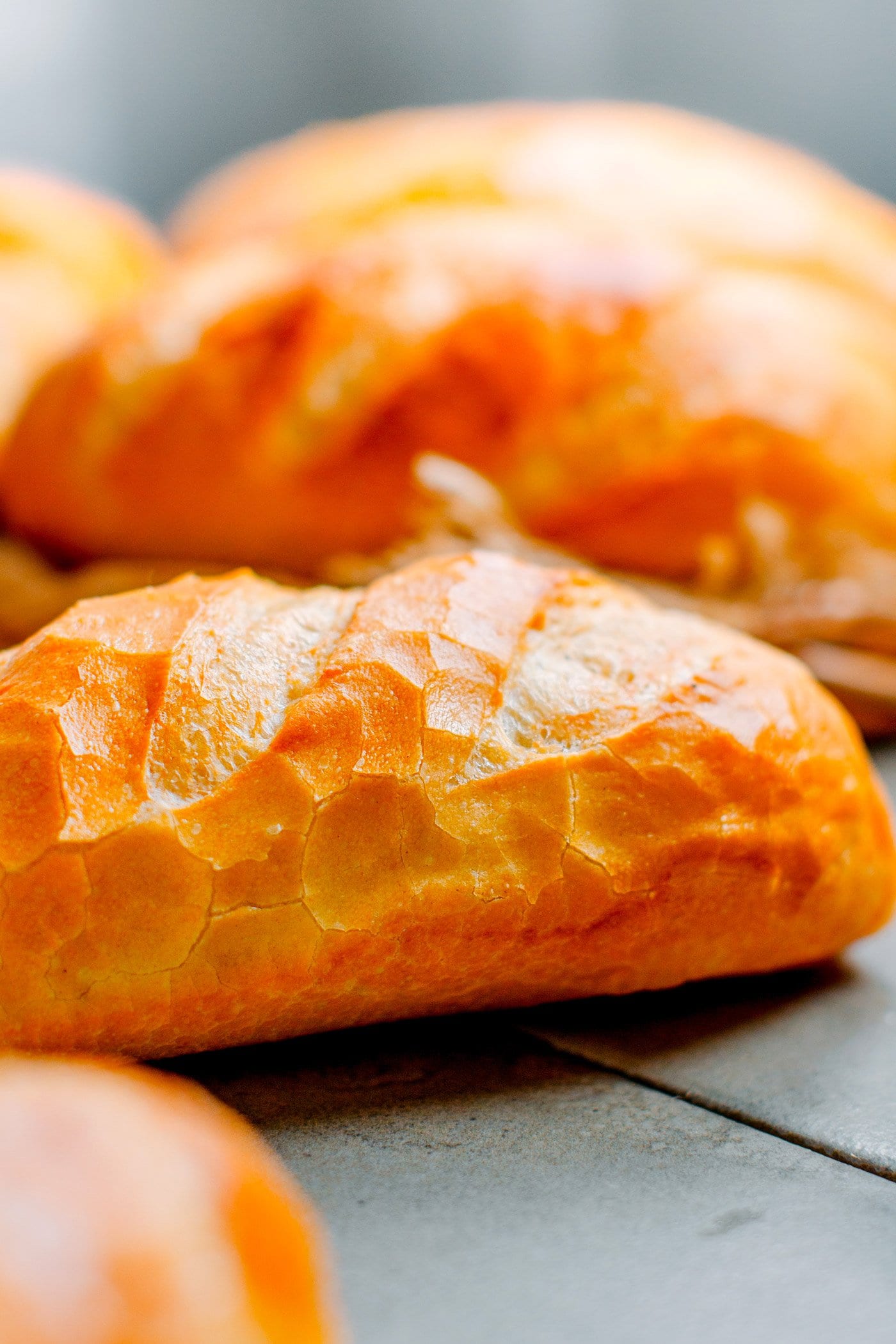
I’m so happy with how these turned out! The crust is so thin and crispy, and the crumb is incredibly light!
I would say the only thing I could not get perfectly right were the ears. I still need to work on my scoring skills. Other than that, these little bánh mì are so close to the real ones! I had my share ofbánh mì in Vietnam for years, so you can trust me on that!
📔 Tips
- Do not make any substitutions. I highly advise against using any substitution. This is not a recipe that you can tweak to your liking or use whatever you have on hand. Each ingredient and its ratio have been carefully calculated and tested.
- Adjust the amount of water. Not all brands of flour are equal, and while the exact measurements will work for the majority of people, some may have to slightly adjust the amount of water. The dough should be very soft, smooth, and just slightly sticky. If it appears too dry, add more water. On the other hand, if it’s too sticky, add a bit more flour.
- Brush with melted butter. After baking, you can brush the baguettes with a thin coating of melted butter. This will give your baguettes a shiny, more professional appearance.
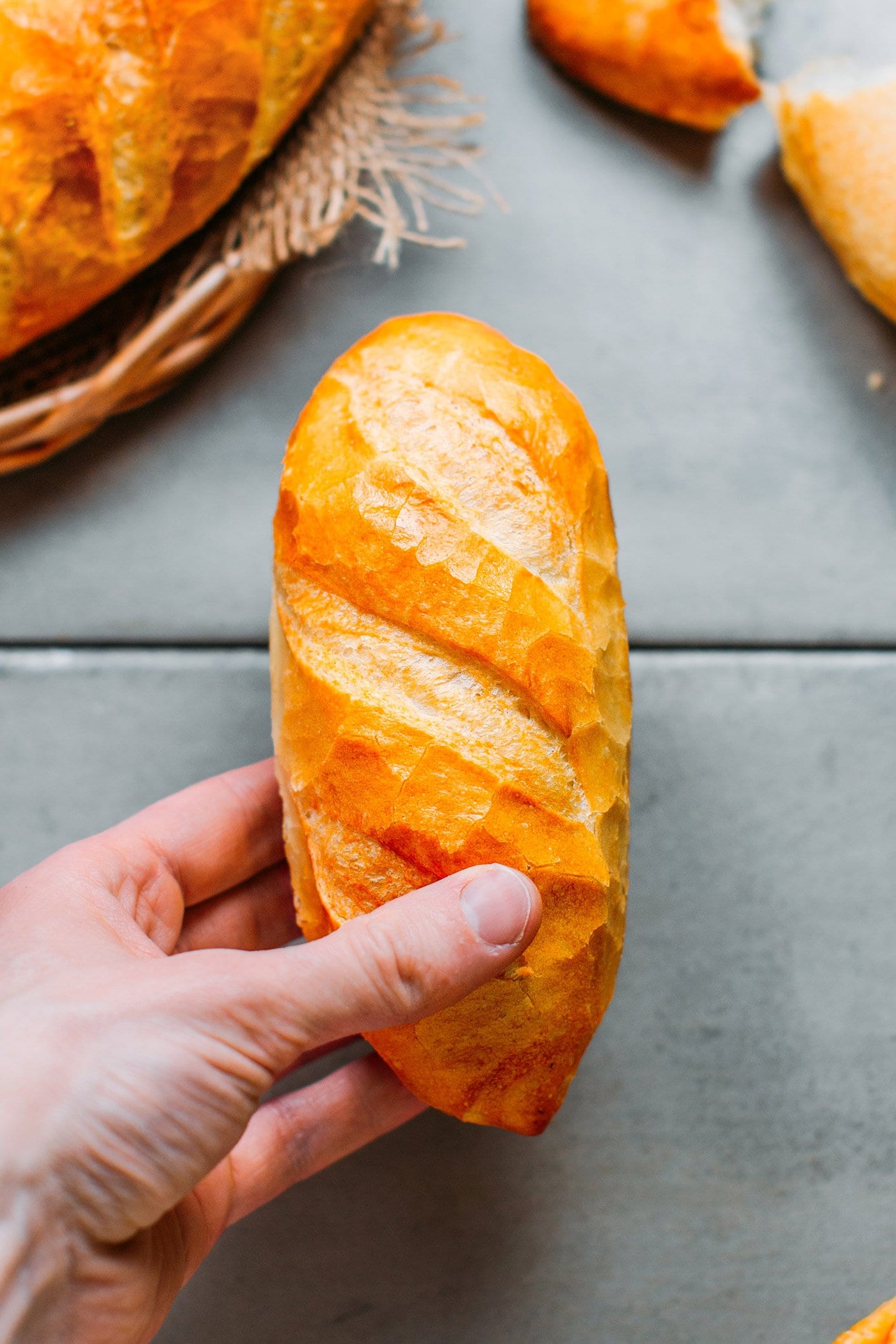
🥖 Where to Use It
Bánh Mì, while served as a sandwich, is usually eaten for breakfast in Vietnam, although you can have it any time of the day. The vegan versions usually include vegan paté, mayo, pickles, some sort of vegan “meat,” Maggi seasoning, fresh cilantro, Thai basil, and many other add-ins like peanuts, crispy shallots, etc. Here are a few recipes and ideas on where to use Bánh Mì:
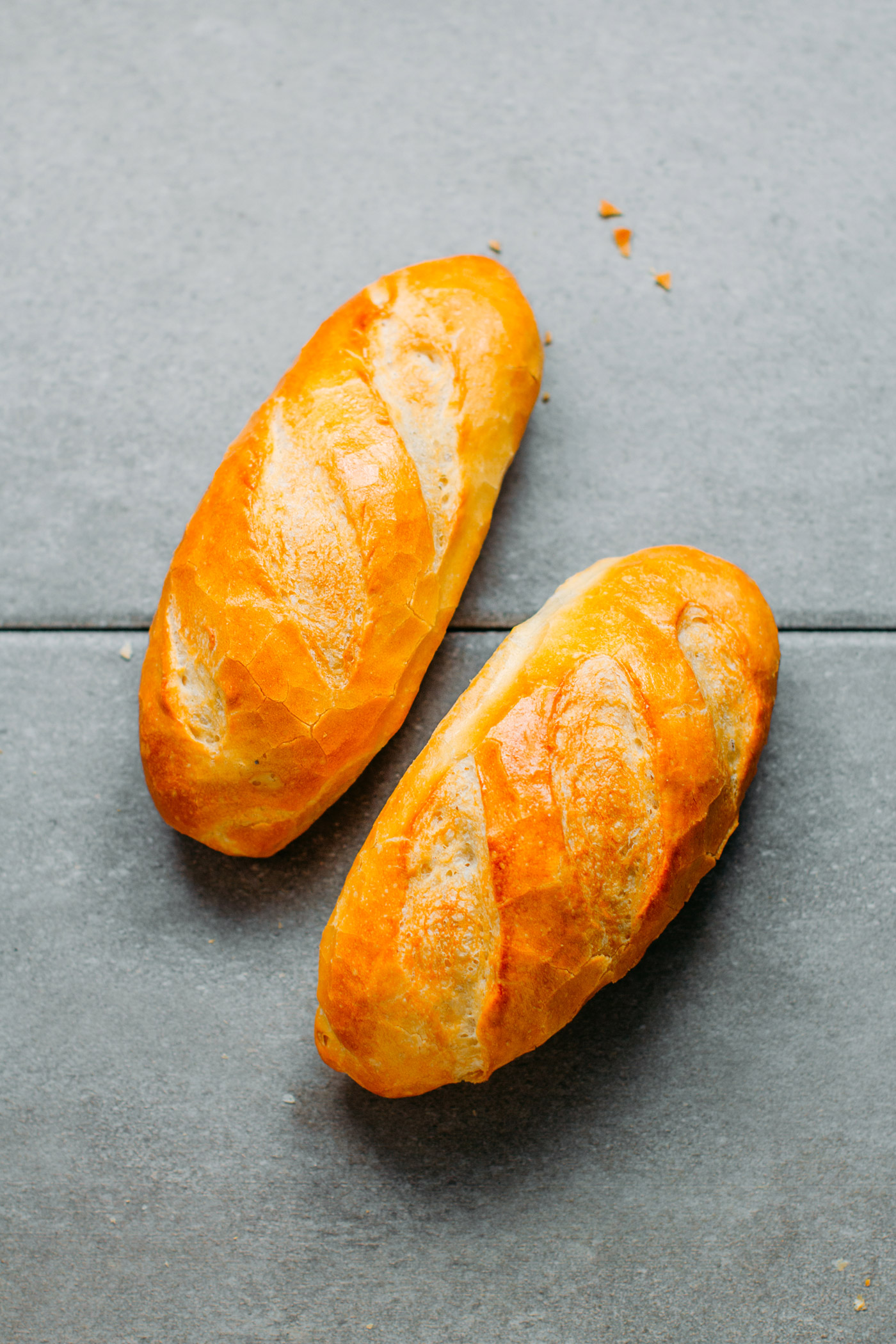
❄️ Storing and Reheating
- To store: Like any bread, these baguettes are best enjoyed on day one. After a day, they tend to lose their crispiness.
- To freeze: Once your baguettes are cool, wrap them in plastic wrap and transfer them to a freezer bag. They will keep for up to 2 months in the freezer. Thaw on the counter for 20-30 minutes before reheating.
- To reheat: If your baguettes lose their crispiness, you can reheat them for 5 minutes in a 350°F (175°C) preheated oven. This will bring back their crispiness.
💬 FAQ
Can I omit the bread improver?
Unfortunately, you cannot omit the bread improver. It’s essential to achieve success with this recipe.
Can I make this recipe gluten-free?
No, this recipe cannot be made gluten-free, sorry.
My baguettes are too small. What happened?
It seems your baguettes didn’t rise correctly. Hence, they are smaller than they are supposed to be and their crumb is also probably dense. I highly recommend making sure you are using the exact ingredients noted in the recipe and following the recipe and tips thoroughly.
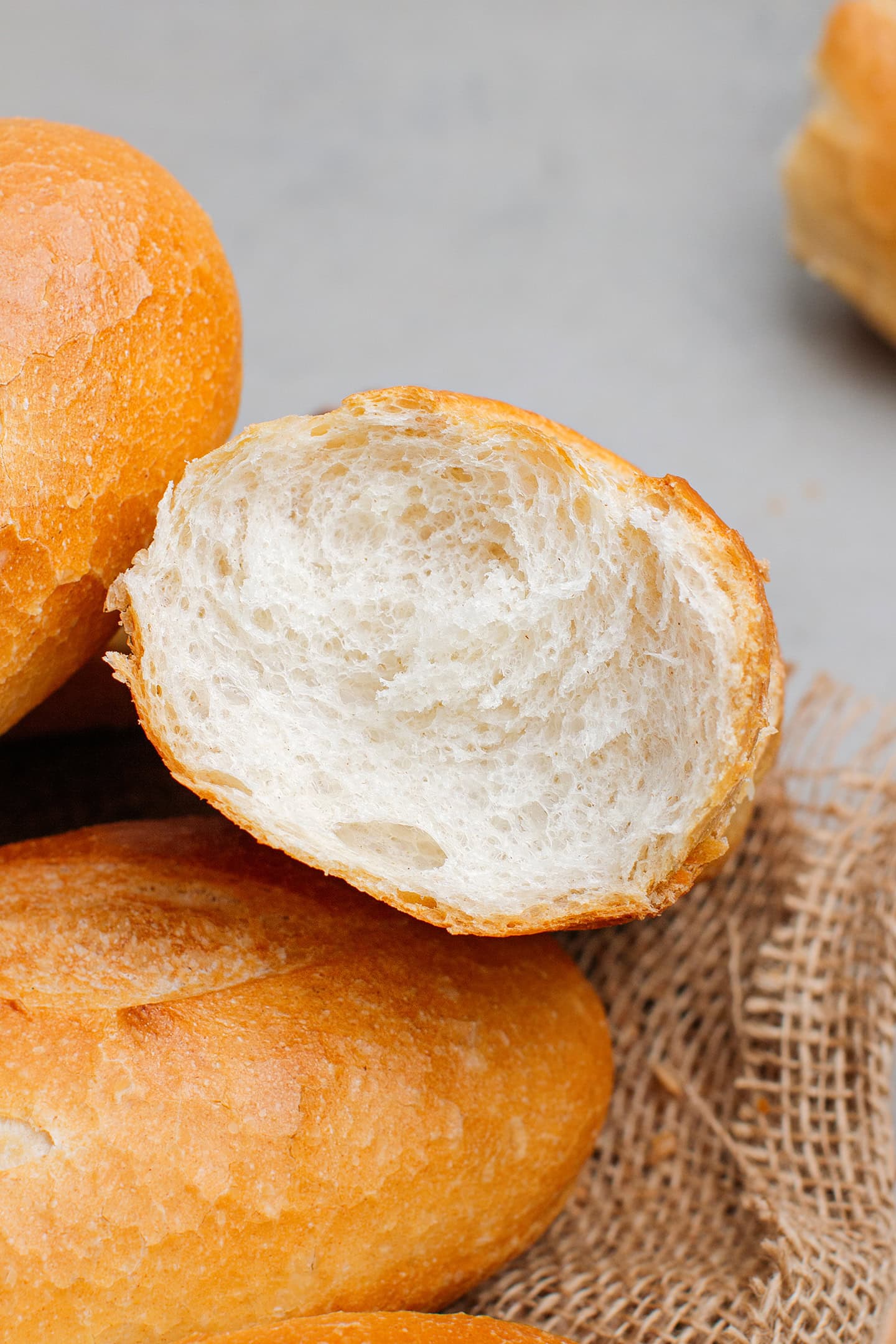
I have extensively tested this recipe to make sure it is exactly like the bánh mì you can find in Vietnam, from the crust to the crumb and the saltiness. Hope you will love these little baguettes! SO light and crispy!
🇻🇳 More Vietnamese-Inspired Recipes
⭐️ Did you like this recipe? Let us know in the comments below, and tag us on Facebook, Instagram, or Pinterest!
Want to Save This Recipe?
Prep Time : 20 minutes
Prevent your screen from going dark
- Add the water, bread flour, bread improver, dry yeast, sugar, salt, and vitamin C to the bowl of a stand mixer fitted with the dough hook.
- Mix on speed 2 for about one minute, or until everything is combined. Use a spatula to scrape down the sides if needed. Now, increase the speed to the maximum (10 on a Kitchenaid), and let the stand mixer knead at full speed for about 8 minutes. Keep an eye on it as it will move because of the speed.
- Using slightly oiled hands, transfer the dough to a greased countertop or smooth surface. The dough should be elastic and very sticky, that’s normal. Cover the dough with a bowl upside down and let it rest for about 20 minutes.
- Preheat your oven to its lowest temperature (about 86°F/30°C). If it cannot go that low, just turn the oven light on. Place a baking sheet or bowl filled with about 3 cups of boiling water in the bottom of the oven (this will create humidity and prevent the dough from drying). Grease two baguette pans with an oiled kitchen paper towel and set aside.
- After 20 minutes, divide the dough into four pieces of about 100g or five pieces of 80g for smaller bánh mì.
-
To shape: slap a ball of dough on your greased working surface, then use your hands to flatten it into a thin rectangle. Next, roll it out into a roll of about 5-inch long (see photos and this video to get an idea of how to shape the baguettes). Transfer to the prepared baguette pan and repeat with the remaining balls of dough.
- Place the baguette pans in the preheated oven and let the dough rise until it has almost quadrupled in size. This will take between 1 and 2 hours, depending on the temperature. Note: The dough should bounce back slightly when you press it. If it bounces back quickly, it’s underproofed.
-
Once your dough has quadrupled in size, remove the pans from the oven. Preheat the oven to 400 °F (200°C) and place an iron skillet in the bottom of the oven. This will help retain heat better. Let the oven preheat for at least 25 minutes.
- Boil about 3 cups of water. In the meantime, using an oiled razor blade (or very sharp knife), score each loaf with 2-3 cuts. Tip: Hold the blade at a 45° angle (not perpendicular) and make cuts of about 1/2 cm deep.
- Spray your baguettes with water. This will help create cracks on the crust.
- Now, pour the boiling water into the iron skillet and place your baguette pans into the oven. Immediately close the oven door and turn off the oven fan.
- Bake for about 13-15 minutes, or until the banh mi are golden brown. Do not open the door during baking. Once your banh mi have a nice color, carefully flip them upside down and bake for another 4 minutes, or until the bottom is golden brown as well.
- Remove from the oven and hear them crack! Some cracks should appear very quickly, that’s one of the characteristics of a good banh mi. If you want them to have a nice shine, lightly brush them with melted vegan butter and let them cool a bit before eating.
- Banh mi are best eaten the same day, the crust is super crispy and the crumb so fluffy! You can keep them for up to 3 days at room temperature in a bread bag. They will become softer the next day, but you can reheat in a preheated oven to make them crispy again.
-
- Do not make any substitutions. I highly advise against using any substitution. This is not a recipe that you can tweak to your liking or use whatever you have on hand. Each ingredient and its ratio have been carefully calculated and tested.
-
- Adjust the amount of water. Not all brands of flour are equal, and while the exact measurements will work for the majority of people, some may have to slightly adjust the amount of water. The dough should be very soft, smooth, and just slightly sticky. If it appears too dry, add more water. On the other hand, if it’s too sticky, add a bit more flour.
-
- Brush with melted butter. After baking, you can brush the baguettes with a thin coating of melted butter. This will give your baguettes a shiny, more professional appearance.
-
- The recipe was adapted from this video, with the help of friends to translate the ingredients and amounts. We also got tips from local bakeries in Saigon.
-
- Some Vietnamese bakers add “fat powder” as well as coconut powder, which I didn’t add and still got great results.
Serving: 1 bánh mì | Calories: 232 kcal | Carbohydrates: 48.5 g | Protein: 6.8 g | Fat: 0.6 g | Saturated Fat: 0.1 g | Sodium: 292 mg | Potassium: 82 mg | Fiber: 1.9 g | Sugar: 0.7 g | Calcium: 10 mg | Iron: 3 mg