
As an alternative of managing a pile, you simply dig a small gap in an empty nook of the backyard, drop in your kitchen scraps, and canopy them again over with soil. That’s it. The freeze–thaw cycle quietly breaks every little thing down whilst you keep inside with a mug of sizzling cocoa. By the point spring arrives, the spot you selected shall be wealthy, crumbly, and filled with vitamins – the type that makes tomatoes blush deeper and greens shoot up quicker.
What’s beautiful about this dwelling composting technique is how accessible it’s. Even the smallest yard can spare just a little patch of soil, and also you don’t want particular instruments past a shovel and a little bit of widespread sense about what may be buried. It would really feel unusual burying banana peels in January, however come April, you’ll dig up that mellow, earthy “black gold” and really feel such as you grew it your self.
The Easy Trench Technique
Trench composting boils down to 3 actually easy steps that take virtually no time in any respect – dig, dump, carried out. You skip the bin odor and turning, letting soil microbes and worms deal with the remainder over winter. It is one of the forgiving sorts of composting for newbies; even lumpy trenches work in the event you cowl them effectively.
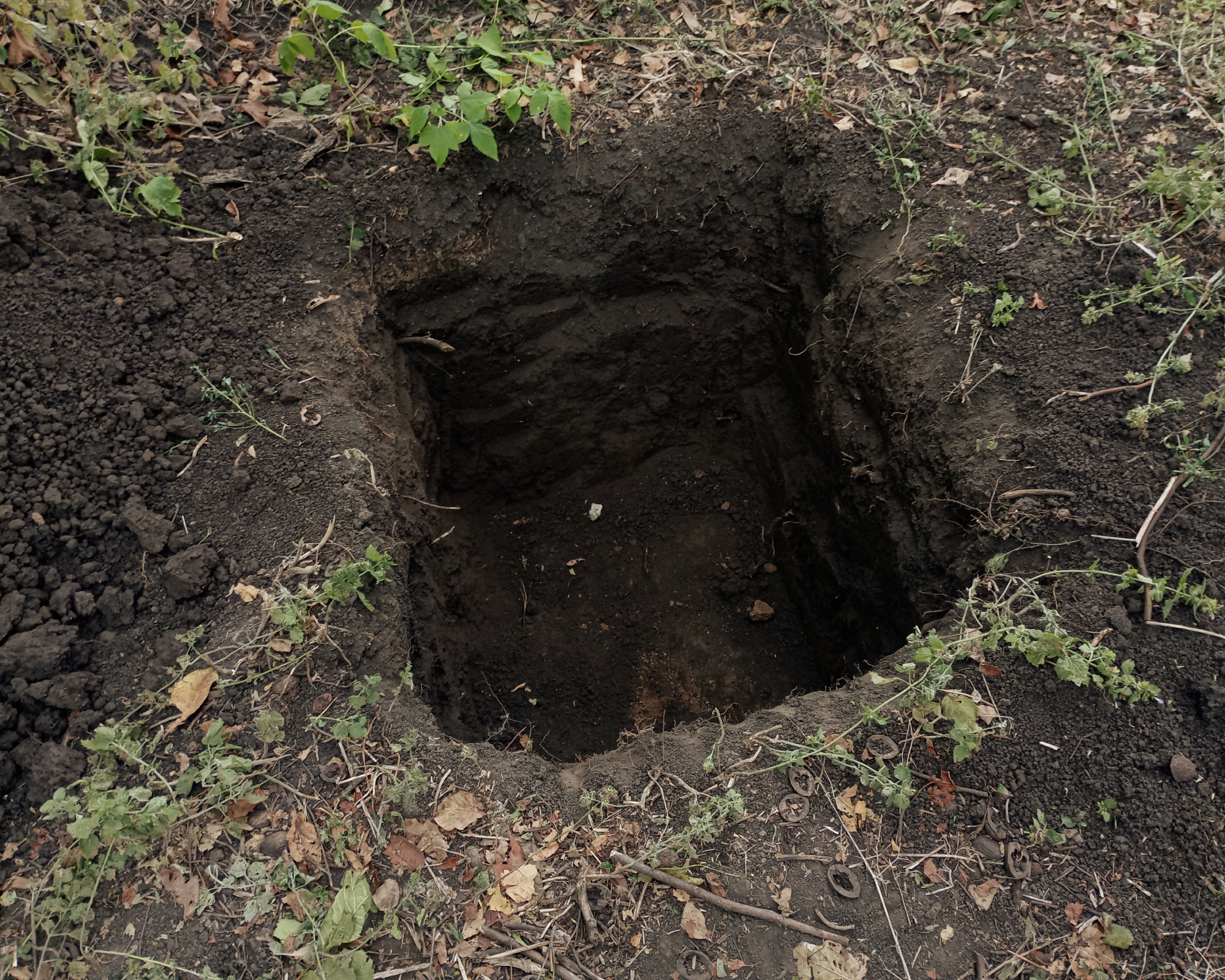
1. Dig a Gap
Begin with a spade – I like to make use of a spear head design like this one from Amazon – or perhaps a post-hole digger like this, and carve out a trench 8–12 inches (20–30 cm) deep and a foot (30 cm) huge – so long as your arm span if you wish to clear every week’s scraps.
Decide a spot you will plant veggies or flowers come spring. Loamy soil mixes greatest, however clay or sand does high quality too; simply keep away from low spots the place water swimming pools.
Goal for one trench every week or each different, rotating spots so no patch will get overloaded. A sturdy digging fork like this Truper design from Amazon makes fast work in case your floor freezes shallow.
2. Fill with Scraps
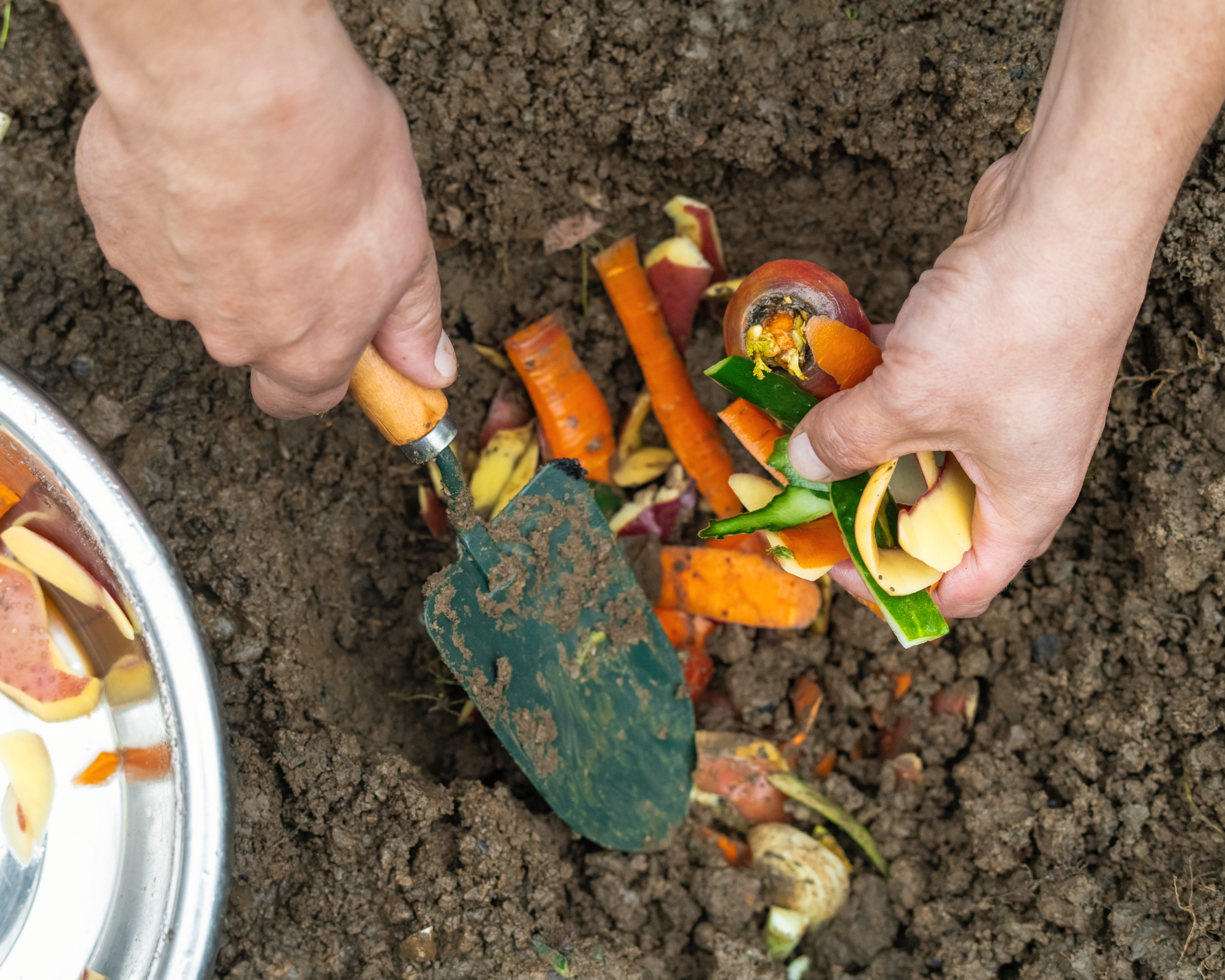
Chop scraps roughly in the event that they’re huge – cores, peels, rinds – and layer them in free, no tighter than a salad toss. Combine in a handful of soil to assist inoculate microbes, and leaves for carbon steadiness; it accelerates breakdown with out making a stink. Half-fill the outlet, as you will must cowl the scraps. Moist scraps sink quicker in moist soil, however dry ones pull in snowmelt.
(Picture credit score: ArtMarie / Getty Photographs)
3. Cowl Utterly
Shovel the dust again over, tamp frivolously together with your boot, and stroll away – mark with a stick in case your reminiscence is like mine. Overlaying the scraps correctly will decrease smells and pests, however worms can discover their approach down rapidly.
Chilly climate discourages rodents and flies, however in case you are frightened about animals digging up your trench, then a wire mesh like this from Amazon provides insurance coverage.
What Kitchen Scraps Are Protected?
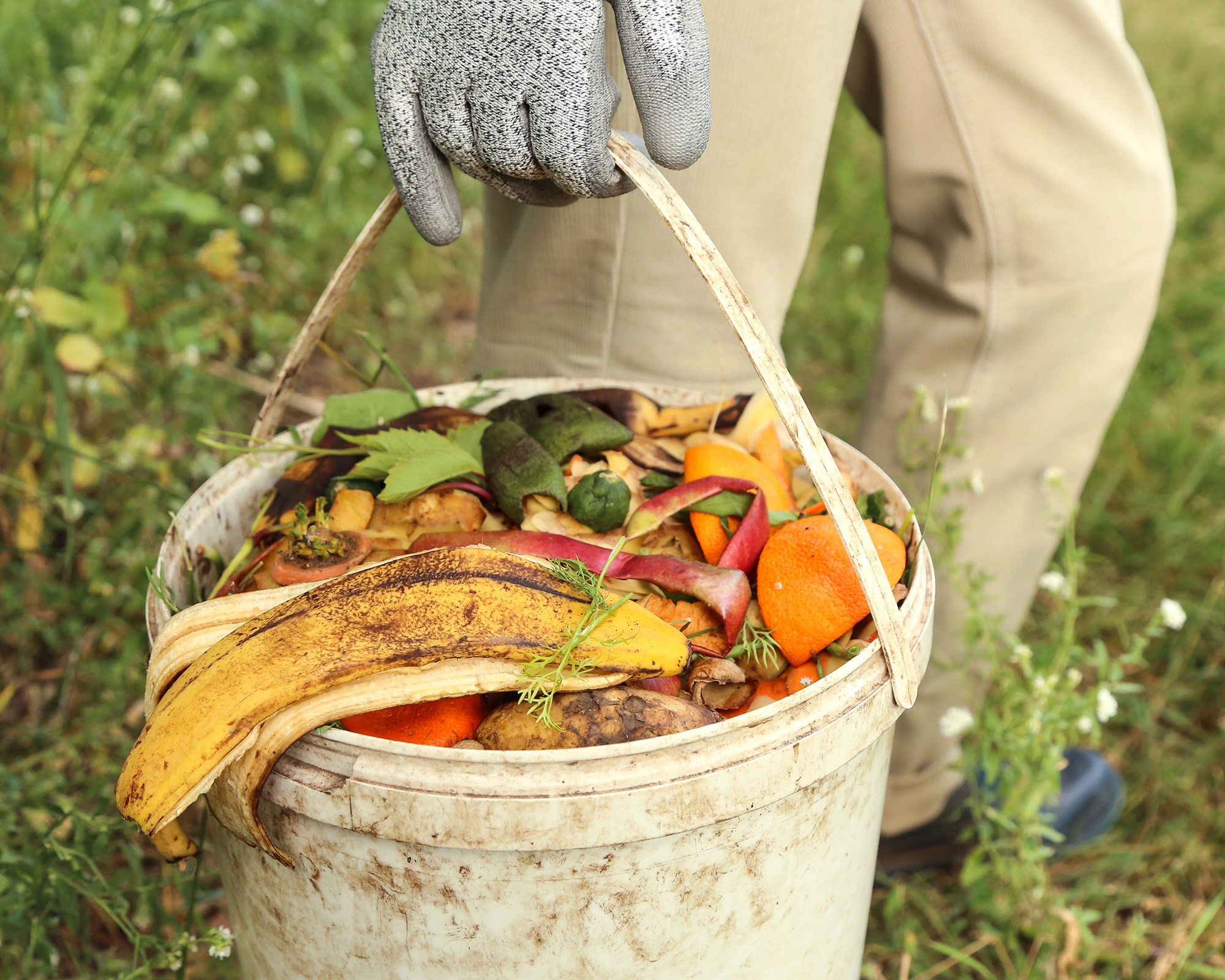
Protected scraps are the on a regular basis supplies that break down cleanly, feeding microbes with out inflicting issues. While you’re deciding what may be composted, stick with tender, plant-based kitchen bits – largely greens – that rot rapidly and reliably. They assist construct soil that holds moisture and vitamins like a sponge, they usually don’t require any difficult sorting.
- Vegetable and Fruit Scraps: Peels from potatoes, carrots, apples, or bananas go in first – they’re moist and nitrogen-rich, the engine for decomposition. Cores from corn or pineapple add bulk with out bulkiness. Chop if it’s stringy to keep away from matting. These flip spongy quick within the chilly, pulling earthworms in. A kitchen compost caddy like this on Amazon is good for saving up scraps earlier than transferring them from the counter to the ditch.
- Espresso Grounds and Filters: Espresso grounds scatter simply and provides an acidic increase for blues and roses later, plus they’re a worm magnet for the soil. Paper filters (unbleached) shred high quality; rinse in the event that they’re clumped. No want to fret about caffeine – crops take it in slowly.
- Egg Shells: Crush shells roughly and toss in – they add calcium, serving to to fend off blossom finish rot in tomatoes come summer time. Wash and dry them first to keep away from a nasty egg scent. Shells grit the soil like free lime, toughening it for roots. They dissolve regularly in moist winters.
- Tea Baggage and Plant Clippings: Tea baggage (nylon-free) and snipped herbs or veggie trimmings layer gentle – nitrogen punch from greens, carbon from woody bits. Strip baggage in the event that they’re plastic; clippings from prunings steadiness the moist. They soften to invisible by the thaw, leaving humus that smells like spring rain
 (Picture credit score: Shutterstock)
What To not Add
- Meat, Bones, and Fish: Meat scraps, bones, and fish waste can appeal to rats and flies, and the lingering fat are a magnet for digging animals that can fortunately unearth your compost. In winter, even tiny quantities break down poorly – the chilly creates uneven “sizzling spots” the place dangerous micro organism thrive as an alternative of the helpful microbes you need.
- Dairy Merchandise: Cheese rinds or yogurt cups bitter quick underground, the fat clotting soil and pulling maggots when it warms. Milk has the identical impact – it is too wealthy for microbes with out air.
- Fat and Cooking Oils: Oils and grease seal out air, slowing rot to a crawl whereas inviting mould or rodents. Only a dribble can flip rancid; poured grease mats up like wax. Let pans cool first, then wipe them clear with a paper towel and toss it away
(Picture credit score: Joern Siegroth / Getty Photographs)
Learn how to Inform it is Prepared
Winter’s gradual grind is ideal for trench composting – the chilly suppresses dangerous bugs, and freeze-thaw crumbles scraps finer than any tumbler would. By spring, scraps have thawed, refrozen, and thawed once more – it is like nature’s blender turning peels to humus. The microbes wake slowly, however worms until deep, leaving soil fluffy and fed with out tilling.
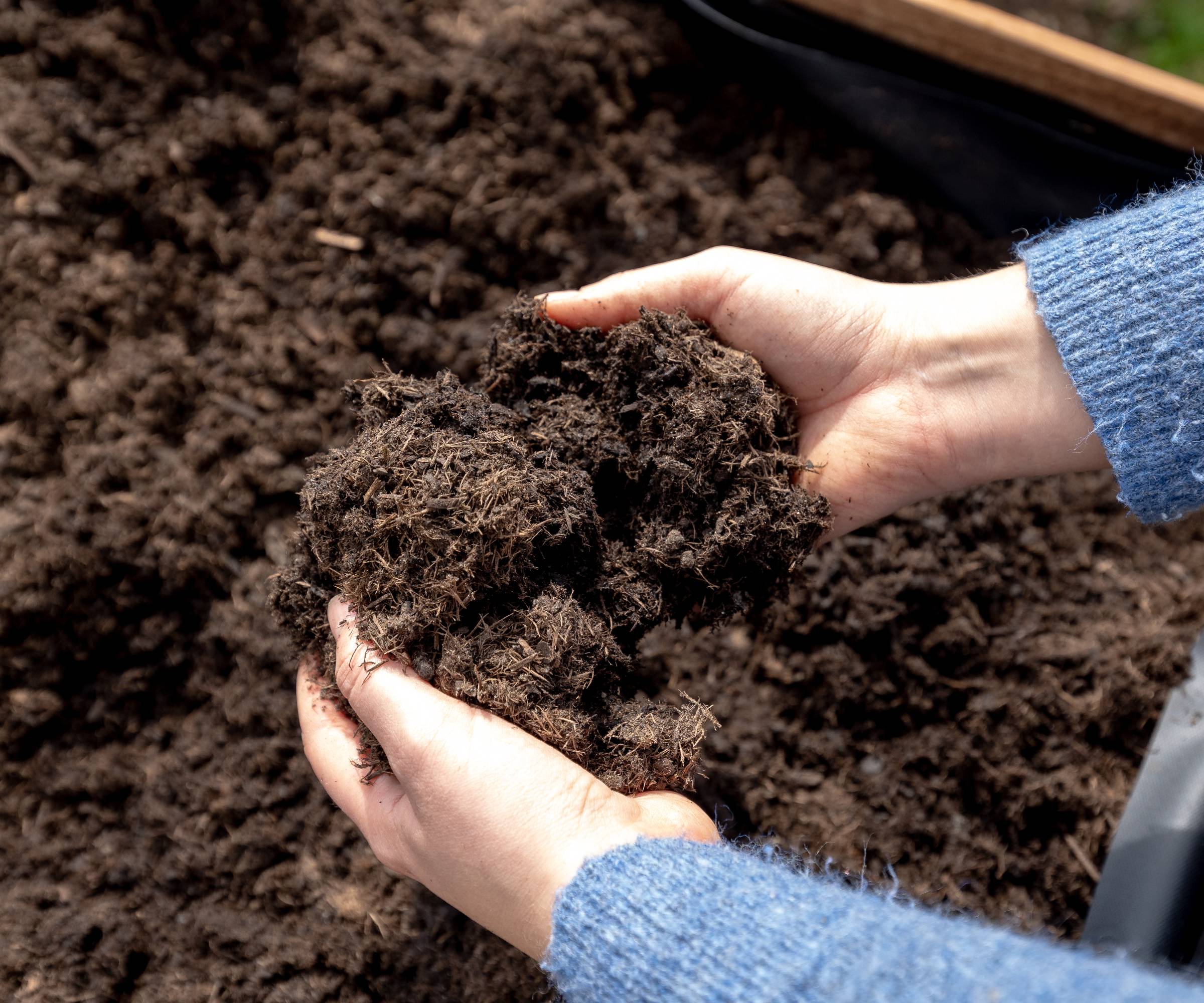
To verify in case your compost is completed, dig take a look at holes in March or April, and if it crumbles good and darkish, go forward and plant away. You possibly can both plant instantly in that spot or dig up the compost and transport it to a different space of the backyard. If the meals continues to be clearly seen, re-cover and wait a couple of extra weeks.